
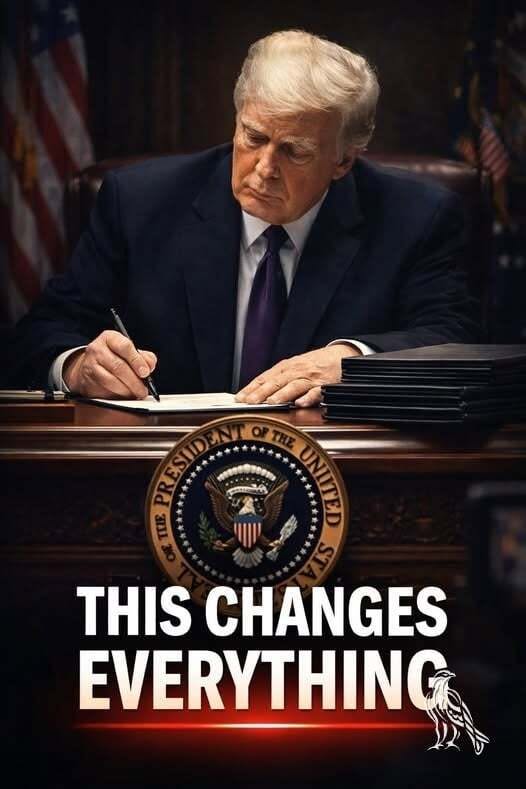
A newly signed executive order by President Donald Trump is drawing intense attention across the United States, with supporters calling it a major policy shift and critics warning of significant long-term consequences. The move has quickly become one of the most discussed political developments of the week, fueling debate among lawmakers, policy experts, and voters alike.
The order, signed during a formal White House ceremony, is being described by administration officials as a decisive step toward advancing key national priorities. Supporters argue that the action demonstrates strong leadership and a willingness to move quickly on issues they believe require immediate attention.
However, opponents have raised concerns about the scope of executive authority and the potential impact on federal agencies, state governments, and millions of Americans who could be affected by the policy changes. Legal analysts predict that challenges could emerge in courts as various groups seek clarification on how the order will be implemented.
Political observers note that executive orders often carry significant influence because they can direct federal agencies without requiring immediate congressional approval. While they can be powerful tools for shaping policy, they are also vulnerable to legal challenges and can be reversed by future administrations.
The announcement has triggered strong reactions on social media, where supporters praised the decision as a bold reform effort while critics questioned its broader implications. News organizations across the country have devoted extensive coverage to the development, highlighting the political significance of the move.
Economists and policy experts are still evaluating the potential effects, with some suggesting the order could lead to notable changes in government operations and regulatory priorities. Others caution that the true impact may not become clear until agencies begin implementing specific provisions.
Members of Congress from both parties have weighed in, reflecting the deep political divisions surrounding the issue. Some lawmakers have pledged support, while others have called for hearings and further review.
As the situation continues to develop, Americans are closely watching for additional details from the White House and federal agencies. Whether the executive order ultimately achieves its intended goals or becomes the subject of prolonged legal and political battles remains to be seen.
For now, one thing is certain: the decision has reignited a national conversation about presidential power, government policy, and the direction of the country in the months ahead.