
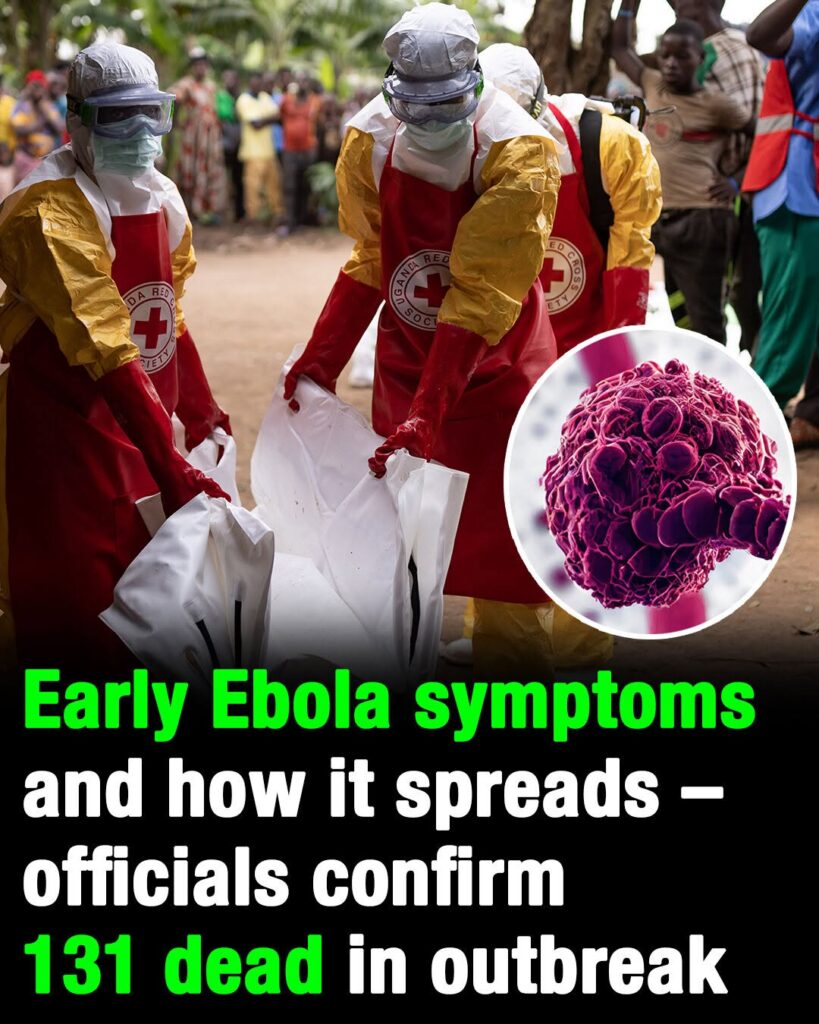
Health officials are continuing to monitor an Ebola outbreak after reports confirmed a significant number of deaths linked to the disease. Ebola is one of the world’s most dangerous viral illnesses, known for its high fatality rate and ability to spread rapidly when outbreaks are not quickly contained.
Ebola Virus Disease (EVD) is caused by a virus that affects both humans and other primates. The disease was first identified in 1976 near the Ebola River in what is now the Democratic Republic of the Congo. Since then, several outbreaks have occurred across parts of Africa, prompting major international public health responses.
Early Symptoms of Ebola
The first symptoms of Ebola can appear anywhere from 2 to 21 days after exposure to the virus. Early signs often resemble other common illnesses, making diagnosis difficult during the initial stages.
Common early symptoms include:
- Sudden fever
- Severe headache
- Extreme fatigue and weakness
- Muscle and joint pain
- Sore throat
- Chills
- Loss of appetite
As the disease progresses, patients may develop more serious complications, including vomiting, diarrhea, abdominal pain, internal bleeding, and organ failure.
How Ebola Spreads
According to health experts, Ebola does not spread through the air like the flu or common cold. Instead, transmission occurs through direct contact with:
- Blood or body fluids of an infected person
- Contaminated medical equipment
- Clothing or bedding exposed to infected fluids
- Infected animals, including certain species of bats and primates
People become most contagious after symptoms begin to appear.
Why Rapid Response Is Critical
Public health officials emphasize that early detection, patient isolation, contact tracing, and proper protective equipment are essential for controlling outbreaks. Medical teams often work in specialized protective suits to prevent exposure while treating infected individuals.
International health organizations continue to support local authorities by providing testing facilities, medical supplies, and public education campaigns aimed at reducing transmission.
Public Health Concerns
Outbreaks can place enormous pressure on healthcare systems, particularly in regions with limited medical resources. Experts stress that community awareness, hygiene measures, and prompt medical attention for suspected cases remain among the most effective tools for preventing further spread.
While Ebola remains a serious public health threat, advances in vaccines, treatments, and outbreak response strategies have significantly improved the ability of health authorities to contain the virus and reduce fatalities compared with previous outbreaks.