
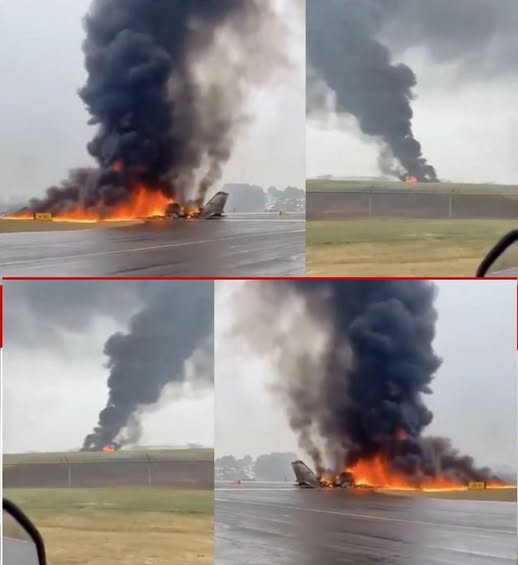
A major aviation incident has been reported involving a passenger aircraft carrying more than 240 individuals. Emergency response teams have been deployed to the location, and authorities have confirmed that the situation is under active investigation.
According to early reports, the aircraft experienced a critical event during its journey, leading to a crash. Details about the exact location, flight route, and circumstances are still being verified by officials.
Emergency Response Underway
First responders, including firefighters, medical personnel, and law enforcement, have arrived at the scene and are working under challenging conditions. Their primary focus is on securing the area, assisting anyone who may need help, and coordinating further rescue efforts.
Nearby medical facilities have been placed on alert as a precaution, ensuring they are ready to provide immediate care if required. Authorities have emphasized that response operations are ongoing, and updates will be provided as more information becomes available.
Eyewitness Accounts
Individuals in the surrounding area reported seeing signs of the incident shortly after it occurred. Some described visible smoke and heightened emergency activity, which quickly drew attention to the situation.
While such accounts can help piece together a timeline, officials are urging the public to rely on verified information as investigations continue.
Investigation and Possible Causes
At this stage, the cause of the incident has not been confirmed. Aviation experts note that multiple factors can contribute to events of this nature, including technical issues, weather conditions, or other unforeseen challenges.
A full investigation is expected to be conducted by aviation authorities, who will examine flight data, maintenance records, and other relevant information to determine what happened. These investigations are typically thorough and may take time before definitive conclusions are reached.
Support for Families and Passengers
As news of the incident spreads, families and loved ones of those on board are seeking updates and information. Support services are being organized to assist them during this difficult time, including communication centers and counseling resources.
Airlines and authorities involved are expected to provide regular updates and guidance to families as more details become available.
A Global Response
Incidents involving large passenger aircraft often draw attention from across the world. Messages of concern and support are being shared widely, reflecting the impact such events have on communities everywhere.
Aviation organizations and leaders are expected to issue official statements, offering condolences and emphasizing the importance of safety and investigation.
The Importance of Accurate Information
In situations like this, information can change quickly as new details emerge. Authorities are encouraging the public to rely on official updates and avoid spreading unverified claims.
Clear and accurate communication is essential, both to support those directly affected and to ensure that the public remains properly informed.
Looking Ahead
While the situation is still developing, the focus remains on emergency response, gathering accurate information, and supporting those impacted. Investigations will aim to provide answers and, if necessary, recommend measures to improve safety in the future.
Aviation incidents are taken very seriously worldwide, and each case contributes to ongoing efforts to enhance safety standards and prevent similar occurrences.
Final Note
As more details are confirmed, updates will continue to be shared by official sources. In the meantime, thoughts remain with all those affected by the incident, including passengers, crew, and their families.
Understanding How Aviation Incidents Are Investigated
When an aviation incident of this scale occurs, a detailed and methodical investigation process is immediately set in motion. These investigations are typically led by national aviation authorities, often working alongside international organizations and independent experts.
The goal is not only to determine what happened, but also to understand why it happened—and how similar events can be prevented in the future. Investigators examine a wide range of factors, including aircraft systems, weather conditions, flight crew actions, and air traffic control communications.
One of the most important tools in this process is the aircraft’s flight data recorder and cockpit voice recorder, often referred to as “black boxes.” These devices store critical information about the aircraft’s performance and the conversations in the cockpit leading up to the incident. Recovering and analyzing this data can provide valuable insights into the sequence of events.
In addition to technical data, investigators also gather physical evidence from the site, review maintenance records, and interview relevant personnel. This comprehensive approach ensures that conclusions are based on verified information rather than speculation.
The Role of Aviation Safety Systems
Modern aviation is built on multiple layers of safety systems designed to prevent accidents. Aircraft are equipped with advanced technology that monitors performance, alerts pilots to potential issues, and helps maintain safe operation even under challenging conditions.
Pilots undergo extensive training to handle a wide range of scenarios, from routine operations to emergency situations. Airlines also follow strict maintenance schedules to ensure that aircraft remain in optimal condition.
Despite these safeguards, rare incidents can still occur. When they do, the aviation industry responds by carefully analyzing the situation and implementing improvements where necessary. This ongoing process has contributed to making air travel one of the safest forms of transportation globally.
The Impact on Families and Communities
Beyond the technical aspects, events like this have a profound human impact. Families and loved ones are often left waiting for information, facing uncertainty and emotional strain. During these times, clear communication and compassionate support become essential.
Airlines and authorities typically establish support centers to assist families, providing updates, counseling services, and logistical help where needed. These efforts are designed to ensure that those affected are not left to navigate the situation alone.
Communities connected to the flight—whether through passengers, crew members, or the location of the incident—also feel the impact. Local residents, emergency responders, and volunteers often play a role in the immediate response, demonstrating resilience and solidarity during difficult circumstances.
Media Coverage and Public Awareness
In today’s connected world, news of major events spreads quickly. Media outlets and social platforms play a significant role in informing the public, but they also carry the responsibility of ensuring accuracy and sensitivity.
During developing situations, information can change rapidly. Early reports may be incomplete or require correction as new details emerge. For this reason, officials encourage relying on verified updates from credible sources.
Responsible reporting helps maintain public trust and ensures that the focus remains on facts, safety, and support rather than speculation.
The Importance of Emergency Preparedness
Events like this also highlight the importance of emergency preparedness, both within the aviation industry and in surrounding communities. Airports, airlines, and local authorities regularly conduct drills and training exercises to prepare for a wide range of scenarios.
Emergency response plans typically include coordination between multiple agencies, such as fire departments, medical services, and law enforcement. This coordination helps ensure that resources are deployed efficiently and that response efforts are as effective as possible.
Preparedness extends beyond professionals as well. Passengers are often given safety briefings before flights, including instructions on how to respond in case of an emergency. While these procedures may seem routine, they are an important part of overall safety measures.
How Aviation Continues to Improve
Each aviation incident, no matter how rare, contributes to a larger body of knowledge that helps improve safety standards. Findings from investigations often lead to updates in regulations, training programs, and aircraft design.
For example, past investigations have resulted in enhancements such as improved warning systems, stronger materials, and more comprehensive pilot training protocols. These advancements are part of an ongoing effort to reduce risks and enhance safety for passengers and crew alike.
International collaboration also plays a key role. Aviation authorities from different countries share information and best practices, ensuring that lessons learned are applied globally. This collective approach helps maintain high safety standards across the industry.
Supporting Those Affected
In addition to immediate response efforts, long-term support is an important aspect of recovery. Families and communities may require ongoing assistance as they process the event and rebuild.
Organizations specializing in crisis support often work alongside authorities to provide resources such as counseling, financial guidance, and community outreach programs. These efforts aim to address both the emotional and practical challenges that can arise after such incidents.
The Broader Perspective
While incidents involving aircraft can be deeply concerning, it’s important to view them within the broader context of aviation safety. Millions of flights operate safely around the world each year, supported by advanced technology, skilled professionals, and rigorous oversight.
The rarity of major incidents reflects the effectiveness of these systems. At the same time, each event is taken seriously, with a commitment to learning and improvement that benefits future travelers.
Staying Informed and Thoughtful
As updates continue to emerge, staying informed through reliable sources is key. At the same time, it’s important to approach such news with thoughtfulness and respect for those directly affected.
Public interest in these events is natural, but maintaining a focus on verified information and empathy helps ensure that the conversation remains constructive.
Conclusion
This developing situation serves as a reminder of both the complexity of modern aviation and the importance of safety, preparedness, and collaboration. While investigations will take time to provide clear answers, the immediate focus remains on response efforts and support for those impacted.
As more details become available, they will contribute to a deeper understanding of what occurred and help guide future improvements. In the meantime, the priority remains with the people at the center of the event—the passengers, crew, and their families.