
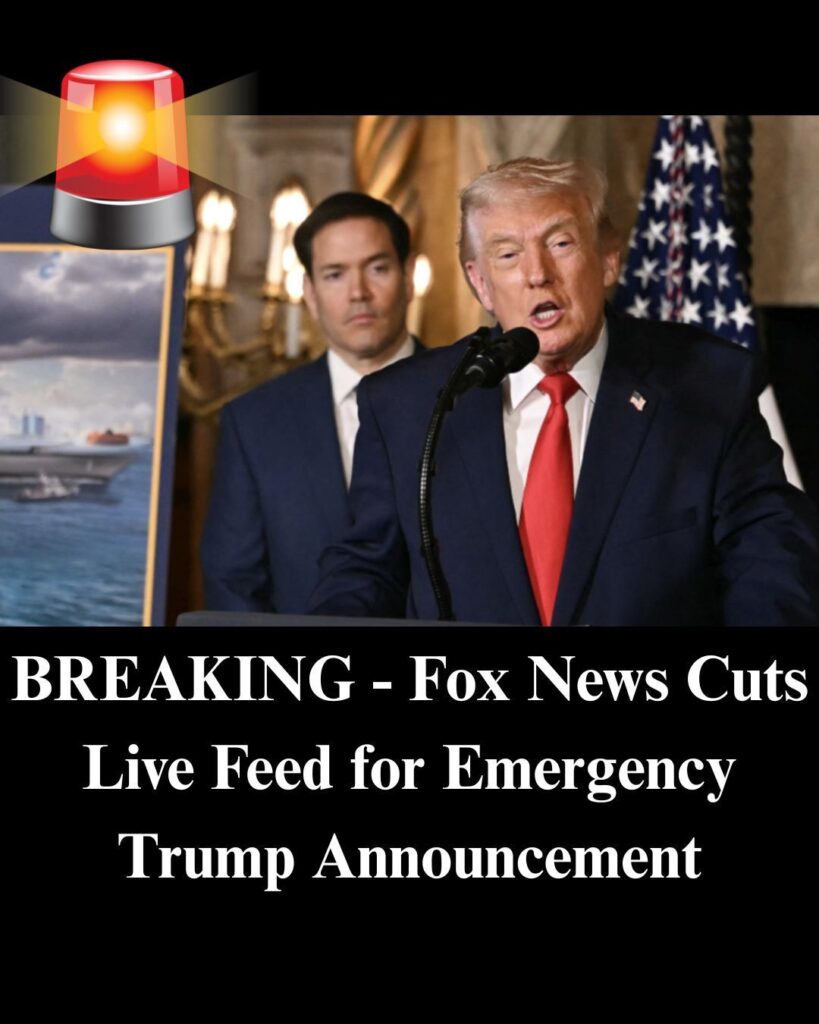
Behind the triumphant “check, check, check, check” mantra lies a far more fragile reality. Operation Epic Fury may have shredded Iran’s navy and missile infrastructure, but it has also exposed deep fractures within the Western alliance. European governments resent being strong-armed over Ukraine aid and the Strait of Hormuz. NATO leaders, already unnerved by Trump’s open musings about withdrawal, now face a U.S. president who openly suggests that alliances are optional in the age of unilateral American power.
At the same time, Iran’s leadership insists it is being falsely cast as a global menace, even as it reels from decapitated command structures and devastated industrial sites. Washington claims this is precisely the point: to break Tehran’s ability to threaten the region or pursue a nuclear weapon. Yet the more complete Epic Fury appears on paper, the more uncertain the political aftermath becomes—because military checklists can be finished long before wars, and alliances, truly are.