
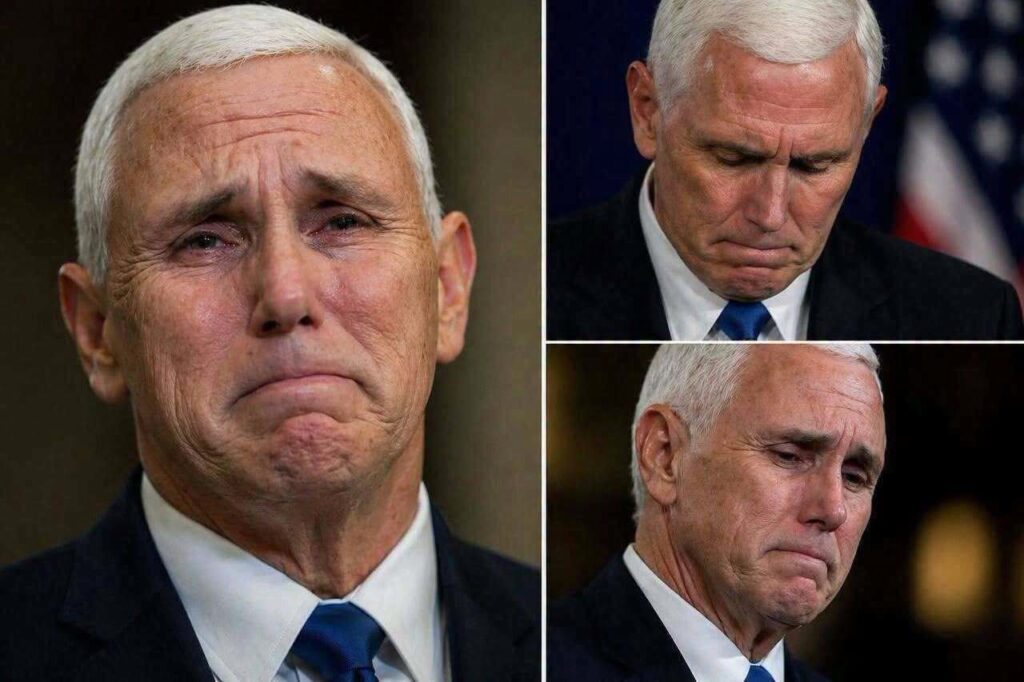
Concern is evident in every statement Mike Pence makes as he continues navigating an increasingly complicated political landscape. Appearing on national television, the former vice president has voiced concerns about issues ranging from the war in Ukraine to decision-making within the defense establishment, while attempting to balance criticism and support toward the administration he once served. Yet despite his efforts to present himself as a serious voice on national security and governance, many observers question whether his message is resonating with the Republican base that now largely rallies behind Donald Trump.
Pence finds himself in a uniquely difficult position. For years, he was one of Donald Trump’s closest political allies, serving as vice president during a highly consequential period in American politics. His loyalty to the administration was rarely questioned, and he often acted as a bridge between traditional conservatives and the more populist elements of the Republican coalition. However, the political dynamics within the party have shifted dramatically, leaving Pence in a position where maintaining influence requires navigating increasingly conflicting expectations.
Recent comments regarding U.S. policy toward Ukraine illustrate that challenge. During interviews, Pence expressed concern over decisions affecting military support and broader strategic planning. He suggested that pauses or inconsistencies in aid could carry significant consequences, while emphasizing the importance of maintaining America’s commitments abroad. His remarks appeared designed to project experience and demonstrate his continued engagement with international affairs. However, critics argue that the comments also highlighted how little direct influence he currently holds over the direction of the party or the broader political movement that has emerged around Trump.
At the heart of the issue is a deeper debate about the future identity of the Republican Party. Pence continues to advocate positions that align with a more traditional conservative worldview—one that generally favors strong international alliances, active global leadership, and confidence in established institutions. This approach reflects a philosophy that has shaped Republican foreign policy for decades and remains influential among many long-time party leaders and national security experts.
Yet the political environment has evolved. A growing segment of Republican voters has embraced a more skeptical view of foreign intervention and international commitments. Many within the populist wing of the party prioritize domestic concerns and question policies associated with what they view as an outdated political establishment. This shift has created a significant gap between traditional conservative perspectives and the priorities of voters who identify strongly with the MAGA movement.
Pence’s efforts to criticize certain policies while still maintaining areas of agreement with Trump reflect the complexity of his position. On some issues, he continues to support elements of the former president’s approach, particularly regarding strategic competition with foreign adversaries. On others, he has expressed concern about rhetoric or decisions that he believes could weaken America’s global standing or undermine long-standing security partnerships. These distinctions, however, are often overshadowed by broader political loyalties that dominate public discourse.
For many observers, Pence’s public appearances reveal a politician attempting to carve out space between two increasingly incompatible political identities. He seeks to preserve principles that have guided much of his career while operating within a party that has undergone significant transformation. This balancing act is difficult because criticism of Trump can alienate portions of the Republican electorate, while unwavering support may conflict with positions Pence has publicly defended throughout his political life.
The challenge extends beyond policy disagreements. It is also about influence and relevance in a rapidly changing political movement. Many Republican voters now view Trump as the central figure shaping the party’s future, leaving less room for alternative voices. As a result, Pence’s attempts to present himself as a respected statesman and experienced leader often struggle to gain the same level of attention or enthusiasm among grassroots supporters.
Political analysts note that his situation reflects broader tensions within modern conservatism. Questions about foreign policy, institutional trust, executive authority, and America’s role in the world continue to divide different factions of the Republican coalition. Pence’s comments often place him at the center of those debates, serving as a reminder of the ideological shifts that have occurred over the past decade.
Whether his message ultimately gains traction remains uncertain. What is clear is that Pence continues to advocate for a vision of Republican leadership rooted in traditional conservative principles, even as the party moves in new directions. His public statements reveal both his commitment to those beliefs and the political risks associated with defending them in an environment increasingly defined by populist energy and loyalty to Trump. For now, he remains caught between the party he helped lead and the movement that has transformed it, attempting to navigate a path through one of the most significant political realignments in modern American history.