
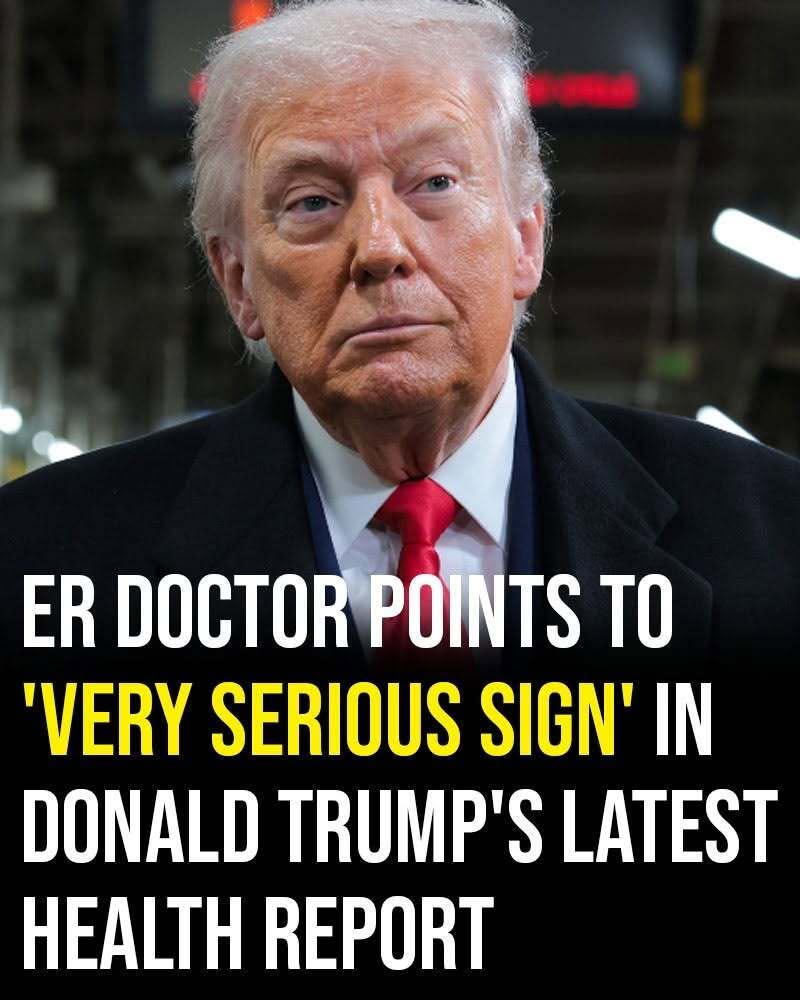
Recent discussions surrounding former U.S. President Donald Trump and escalating tensions in the Middle East have fueled widespread speculation about what role American leadership could play in future diplomatic efforts. As international attention remains focused on regional instability, political analysts are closely watching statements from major global figures, including Trump, whose comments continue to attract worldwide interest.
The renewed focus comes at a time when concerns about security, energy markets, and international diplomacy remain high. Political observers note that any significant statement from Trump can quickly become a major news story because of his influence within American politics and his continued prominence on the global stage.
Growing International Concerns
The Middle East has long been one of the world’s most strategically important regions. Any escalation involving major regional powers has the potential to affect global trade routes, energy supplies, and diplomatic relations. As governments monitor developments, investors and international organizations are also paying close attention to signs of instability.
Experts warn that prolonged tensions can create economic uncertainty far beyond the region itself. Markets often react quickly to geopolitical developments, especially when key transportation routes or energy infrastructure could be affected.
Trump Remains a Major Political Voice
Despite no longer being a newcomer to national politics, Trump continues to command enormous public attention. Supporters view him as a leader capable of taking decisive action during international crises, while critics argue that some of his approaches to foreign policy remain controversial.
Regardless of political opinions, analysts agree that Trump’s statements frequently shape public debate. His comments are regularly examined by media organizations, political strategists, and foreign governments seeking clues about future policy directions.
Diplomacy Versus Escalation
Many international experts continue to emphasize diplomacy as the preferred path for resolving conflicts. Negotiations, economic agreements, and multilateral discussions remain critical tools for reducing tensions and preventing broader instability.
Former diplomats have argued that maintaining communication channels between rival nations is essential, particularly during periods of heightened uncertainty. They warn that misunderstandings and miscalculations can quickly transform regional disputes into larger international crises.
Public Reaction Across Social Media
Social media platforms have become a major battleground for competing narratives. Supporters, critics, analysts, and commentators regularly share predictions about future developments, often generating millions of views within hours.
However, experts caution that many viral claims lack verification and should be approached carefully. Fact-checkers continue to encourage the public to rely on credible reporting and official sources rather than sensational headlines designed primarily to attract attention.
Looking Ahead
As geopolitical tensions continue to evolve, attention will remain focused on the actions and statements of influential political figures. Whether through diplomacy, policy proposals, or public remarks, leaders across the world face increasing pressure to help prevent further instability.
For now, uncertainty remains the defining factor. While speculation continues to dominate online discussions, analysts stress that real-world developments—not viral predictions—will ultimately determine the course of future events. The coming weeks may provide greater clarity as governments, diplomats, and international organizations work to address growing concerns and seek pathways toward stability.