
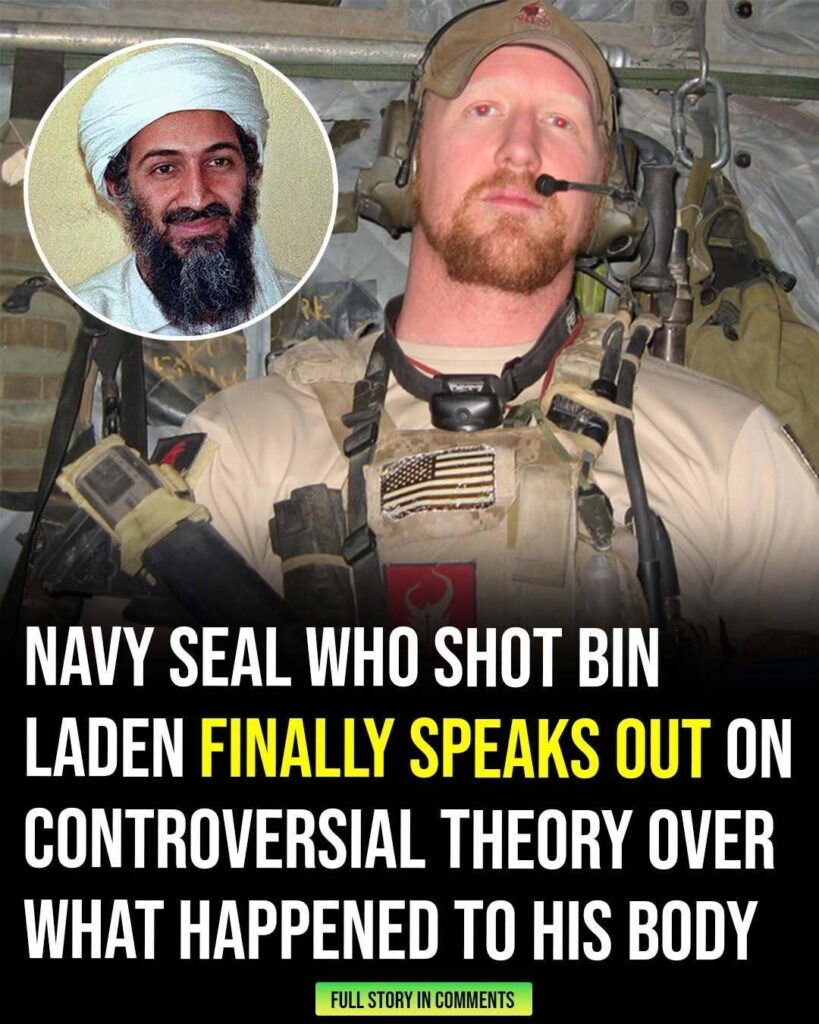
More than a decade after the mission that ended the hunt for Osama bin Laden, renewed public interest has emerged surrounding what happened to the al-Qaeda leader’s remains following the historic U.S. raid in Abbottabad, Pakistan.
The discussion intensified after a former Navy SEAL widely reported to have participated in the operation spoke publicly about persistent theories and speculation that have circulated online for years. Since the mission was carried out in May 2011, questions regarding the handling of bin Laden’s body have continued to fuel debate among historians, military observers, and conspiracy theorists.
According to official U.S. accounts released after the operation, bin Laden was identified through multiple verification procedures, including facial recognition and DNA testing. U.S. officials stated that his body was later buried at sea from the aircraft carrier USS Carl Vinson in accordance with procedures designed to prevent any burial site from becoming a symbolic gathering place for extremists.
Why Theories Continue to Persist
Despite official explanations, alternative theories have repeatedly surfaced online. Some claim additional evidence should have been released to the public, while others question various details surrounding the operation. Experts note that major historical events often generate speculation, particularly when governments limit the release of sensitive photographs or classified intelligence.
The absence of publicly released post-mortem images has remained one of the most frequently discussed aspects of the case. U.S. administrations from both political parties have defended that decision, arguing that releasing graphic images could have inflamed tensions and created security concerns.
Historic Mission
The raid on bin Laden’s compound was the culmination of nearly a decade-long manhunt following the September 11, 2001 terrorist attacks that killed nearly 3,000 people in the United States. The operation involved elite U.S. special operations forces conducting a nighttime assault on a fortified compound where intelligence agencies believed bin Laden had been hiding.
The mission was regarded as one of the most significant counterterrorism operations in modern history and marked a major milestone in America’s response to the 9/11 attacks.
Military Community Reflects
Many veterans and former military officials continue to view the operation as a testament to years of intelligence gathering, planning, and cooperation among numerous agencies. While debates about specific details may continue, military leaders often emphasize the broader significance of the mission and the sacrifices made by service members involved in counterterrorism efforts around the world.
Public Interest Remains Strong
More than fourteen years later, interest in the events surrounding the raid remains high. Documentaries, books, interviews, and public discussions continue to revisit the mission, often bringing renewed attention to questions that have lingered since 2011.
Historians suggest that the enduring fascination reflects the enormous impact bin Laden had on global events and the symbolic importance of the operation that ultimately located him.
Looking Back
While speculation about the handling of bin Laden’s remains may never completely disappear, official accounts of the operation have remained consistent for years. As new interviews and recollections emerge from those connected to the mission, they continue to provide additional perspective on one of the most consequential military operations of the 21st century.
For many observers, the lasting story is not the theories that followed, but the historic mission itself and its place in the broader fight against international terrorism.